Tejas Aircraft Crash: A Shocking Setback for India’s Indigenous Fighter Jet Programme
Tejas Aircraft Crash: In a deeply concerning development for India’s defence aviation sector, an aircraft from the Light Combat Aircraft (LCA) Tejas programme reportedly crashed during a routine operation. The incident has sparked serious discussions across defence circles and among the general public regarding the safety, operational readiness, and future roadmap of India’s ambitious indigenous fighter jet project.
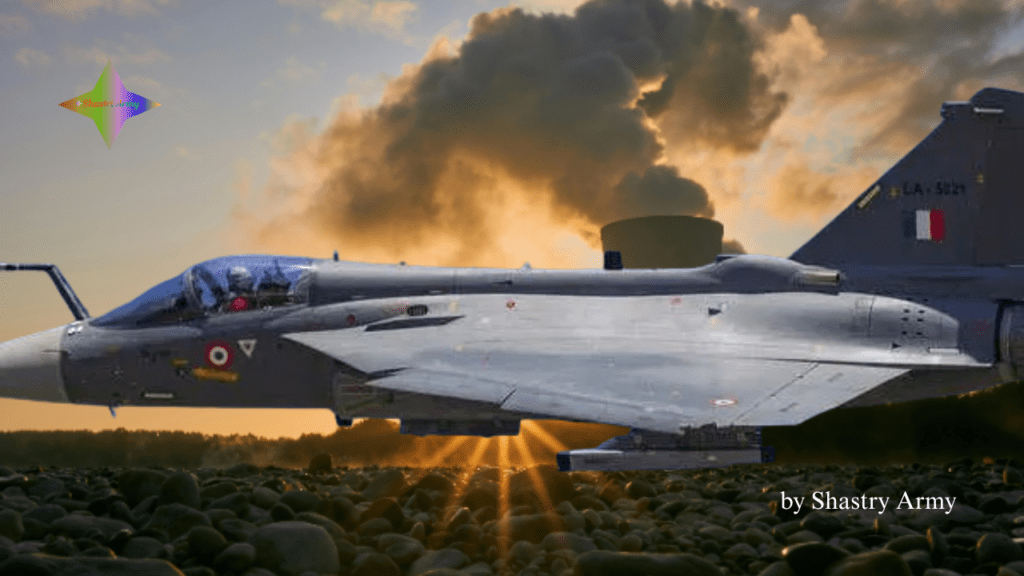
The aircraft involved in the crash was part of the Indian Air Force fleet built under the country’s flagship “Make in India” defence initiative. Developed by Hindustan Aeronautics Limited in collaboration with the Aeronautical Development Agency, the Tejas fighter jet has long been considered a symbol of India’s growing self-reliance in advanced defence technology.
The Incident
According to preliminary information, the Tejas aircraft crashed during a scheduled sortie. The pilot reportedly encountered a technical malfunction mid-flight, which forced emergency procedures. Fortunately, the pilot managed to eject safely before the crash, avoiding any loss of life. Emergency response teams were immediately dispatched to the crash site to secure the area and begin recovery operations.
Eyewitnesses from nearby areas described hearing a loud explosion followed by a plume of smoke rising into the sky. Local authorities quickly cordoned off the region to prevent civilian access and ensure that sensitive military equipment was not compromised. While initial reports suggest a possible technical fault, officials have refrained from confirming the exact cause of the crash. A detailed inquiry has been ordered by the Indian Air Force to determine whether the incident resulted from mechanical failure, software malfunction, human error, or environmental factors.
About the Tejas Aircraft Crash
The HAL Tejas is a fourth-generation, multi-role light fighter aircraft designed to replace the ageing MiG-21 jets that have served the Indian Air Force for decades. Known for its advanced avionics, composite structure, and fly-by-wire control system, Tejas is a cornerstone of India’s defence modernisation strategy.
The Tejas Aircraft Crash has undergone years of development, testing, and upgrades before being inducted into operational service. It features cutting-edge radar systems, beyond-visual-range missile capability, and electronic warfare systems that make it suitable for both offensive and defensive combat roles. Despite its technological advancements, this crash has once again brought attention to the challenges associated with developing indigenous military hardware. Defence experts argue that while setbacks are not uncommon in complex aerospace programmes, each incident must be thoroughly investigated to ensure operational safety.
Investigation and Safety Concerns
The Indian Air Force has constituted a Court of Inquiry to examine all possible technical and operational parameters that could have led to the crash. Investigators will analyse flight data recorders, maintenance history, weather conditions, and pilot inputs recorded prior to the incident.
Special emphasis will be placed on evaluating the aircraft’s onboard systems, including navigation controls, engine performance, and flight stability software. The findings of the inquiry are expected to play a crucial role in implementing any corrective measures needed to enhance the safety of future operations. In addition, engineers from Hindustan Aeronautics Limited and scientists from the Aeronautical Development Agency are likely to be involved in the technical assessment process. Their combined expertise will help determine whether Tejas Aircraft Crash the issue was an isolated case or indicative of a broader systemic problem.
Impact on Defence Preparedness
The Tejas Aircraft Crash comes at a time when India is actively working to strengthen its aerial combat capabilities. The Tejas programme is expected to form the backbone of the Indian Air Force’s light fighter fleet in the coming years.
Although the incident may temporarily affect operational deployment, defence officials have emphasised that safety protocols and rigorous testing procedures remain in place. The Indian Air Force continues to maintain confidence in the aircraft’s overall performance and reliability. Military analysts believe that transparency in the investigation process will be key to maintaining public trust and ensuring that future production and induction plans are not adversely affected.
Looking Ahead
Incidents like this highlight the inherent risks involved in aviation and defence technology development. However, they also present opportunities for learning and improvement. The success of indigenous programmes such as Tejas depends not only on technological innovation but also on the ability to respond effectively to unforeseen challenges.
As the investigation progresses, more details are expected to emerge regarding the circumstances surrounding the Tejas Aircraft Crash. The defence community, along with the general public, will be closely monitoring developments to understand the implications for India’s homegrown fighter jet programme. The Tejas project remains a vital component of India’s long-term strategic defence vision. Ensuring its safety and reliability will be essential as the country moves toward greater self-sufficiency in military technology and aerospace engineering.