

















Recent Tragedy in Ahmedabad Air India Crash Sparks Reflection on 1988 Indian Airlines Flight 113 Disaster”
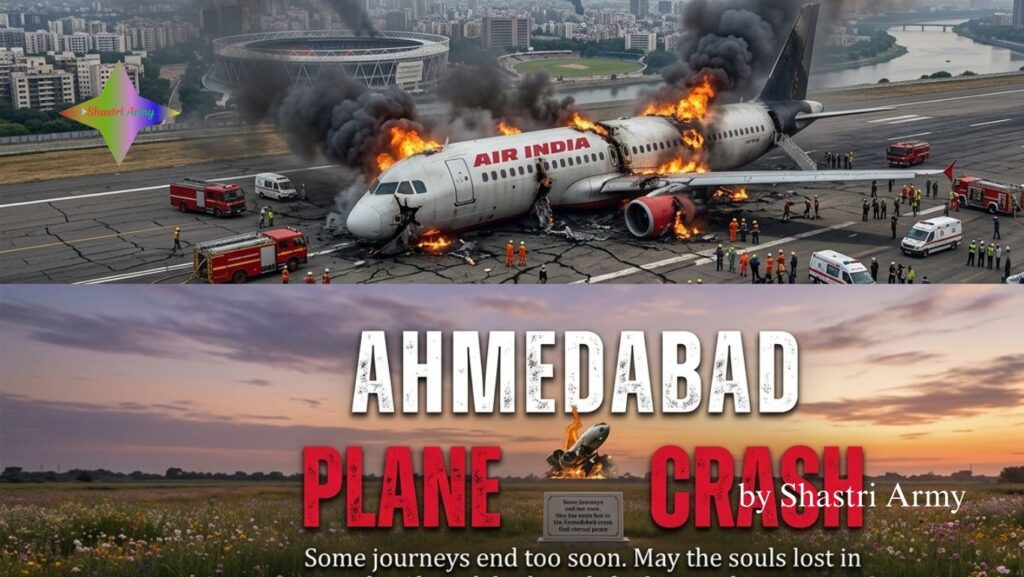
The recent Ahmedabad Air India crash has sent shockwaves across the nation, bringing back painful memories of the Indian Airlines Flight 113 accident that occurred 37 years ago. Both incidents highlight the dangers of poor visibility, pilot misjudgment, and aviation safety concerns that continue to haunt India’s skies.
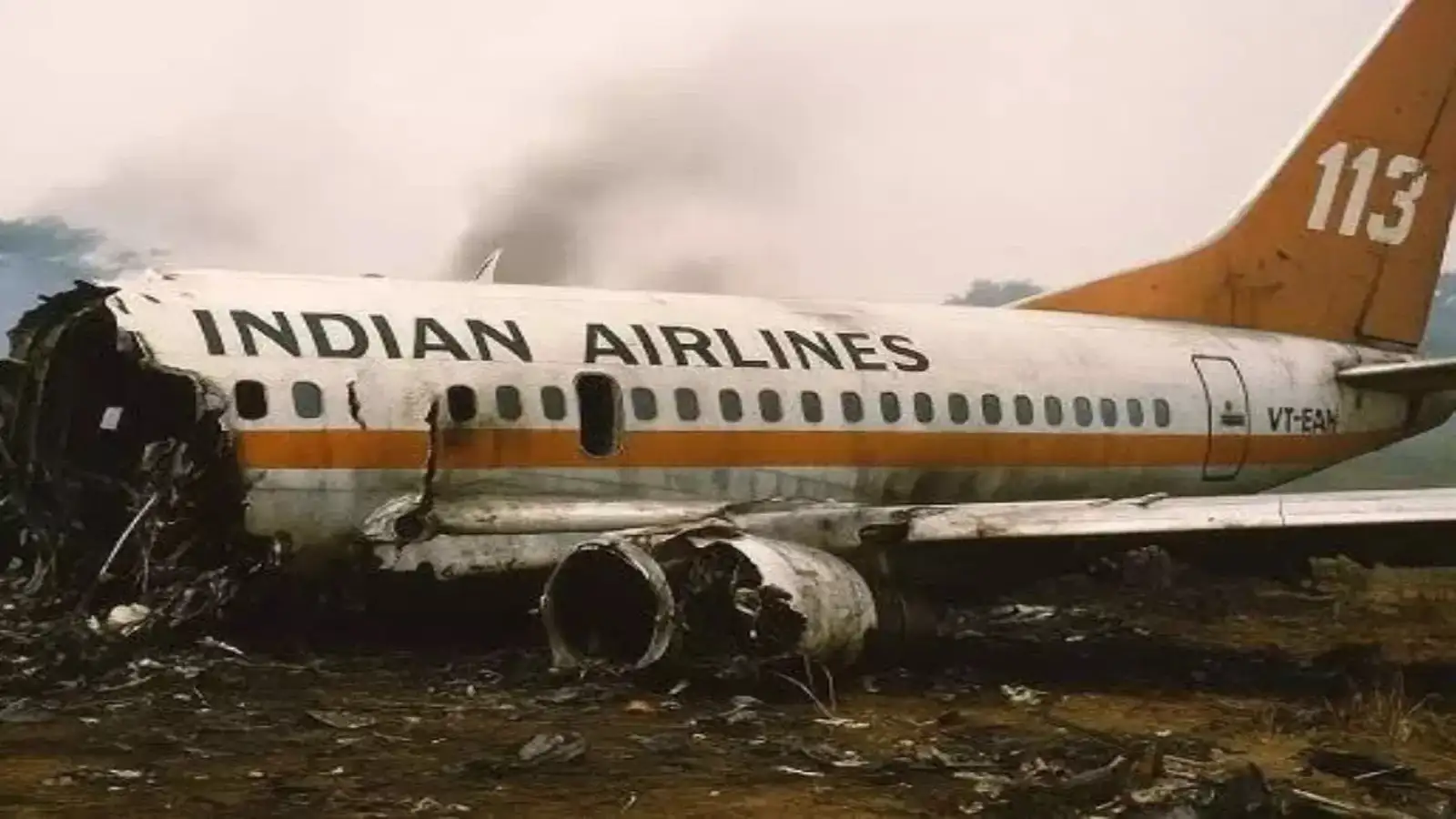
The 1988 Indian Airlines Flight 113 Tragedy
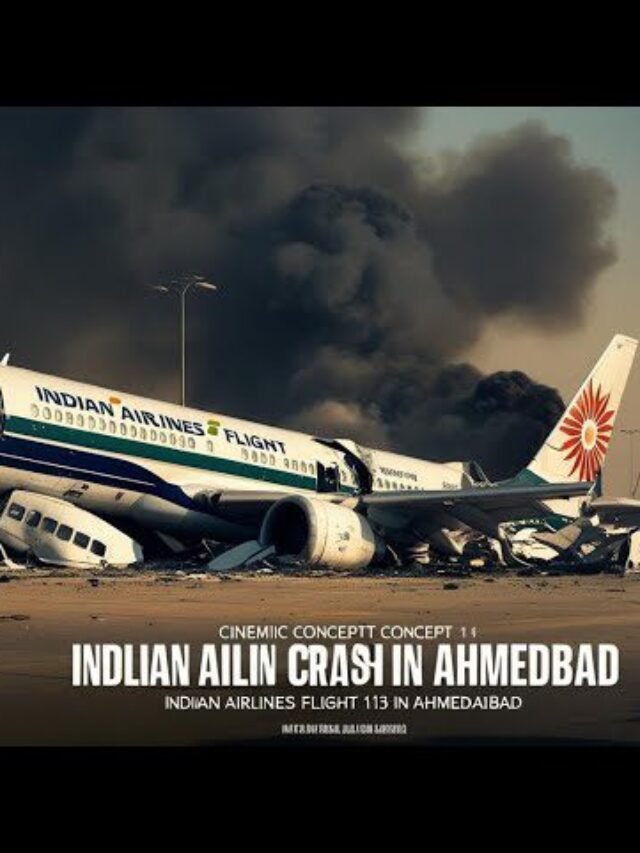
On the morning of October 19, 1988, Indian Airlines Flight 113 was nearing Ahmadabad when tragedy struck. The Boeing 737, struggling with poor visibility, descended dangerously low, colliding with trees and an electricity pylon before crashing into a field near Chiloda Kotarpur village, just moments away from its intended destination..
The accident claimed 133 lives, making it one of India’s deadliest aviation disasters.The crash was attributed to poor visibility and pilot error. The cockpit voice recorder revealed that the pilots were focused on visually locating the runway, rather than relying on instruments. This led to a fatal descent, causing the aircraft to crash before reaching the airport, Parallels Between the 1988 and 2025 Ahmedabad Air India Crash .
The recent Ahmedabad Air India crash has eerie similarities to the 1988 disaster. Both incidents involved low visibility conditions, pilot misjudgment, and tragic loss of life.The 1988 crash was caused by the pilots descending below the minimum altitude without clearance, while the 2025 crash also involved navigation difficulties near Ahmedabad Airport.
Ahmedabad Air India Crash
In both cases, aviation safety protocols were questioned. The 1988 crash investigation revealed that the airport lacked approach lights, making it difficult for pilots to land safely. Similarly, the 2025 crash has raised concerns about runway safety measures and air traffic control protocols.
Ahmedabad Air India Crash Rekindles Painful Memories of 1988 Tragedy
The recent Air India crash in Ahmedabad has shaken the nation, echoing the haunting legacy of the 1988 Indian Airlines Flight 113 disaster. With 260 lives lost, the tragedy has reignited urgent conversations around aviation safety and pilot accountability. As investigations unfold, parallels between the two crashes highlight systemic gaps and the need for stronger oversight. This moment calls not just for mourning, but for meaningful change in India’s aviation landscape.
Following the tragic Air India crash in Ahmedabad, attention has shifted to pilot well-being. Experts stress the need for mental health checks, peer support programs, and transparent reforms to prevent future tragedies. Aviation safety now demands a human-centered approach.
Pilot Mental Health Under Scrutiny After Ahmedabad Air India Crash
Survivors and Aftermath
Originally, five passengers survived the 1988 crash, including a 12-year-old boy. However, only two survivors—Vinodbhai Tripathi and Ashok Agarwal—lived to tell the tale. Tragically, Agarwal passed away in 2020, haunted by the memories of losing his wife and infant daughter in the crash.In response to the 1988 tragedy, authorities pledged financial aid, offering ₹2 lakh to the families of those lost in the crash.” However, legal battles ensued, with courts later awarding higher compensation amounts based on age, occupation, and future prospects.
Lessons in Aviation Safety
The Ahmedabad crash shattered lives, a father hoping his life would be a success, a pilot’s last flight, and a nation demanding truth, reparations and healing.The tragic Ahmedabad Air India crash underscores the critical need for enhanced aviation safety measures and operational vigilance.”The 1988 tragedy led to revised landing procedures, but recent events suggest that more improvements are needed.
Experts emphasize the need for advanced landing systems, better pilot training, and stricter air traffic control measures to prevent such disasters in the future. As India mourns another aviation tragedy, the lessons from Flight 113 remain more relevant than ever.