


















What is Mochi Health?
Origin and Cultural Background
When you hear the word mochi, you might immediately think of a soft, chewy Japanese dessert. But mochi health goes far beyond just being a tasty treat—it represents a blend of tradition, nutrition, and modern dietary interest. Mochi originated in Japan over a thousand years ago and has been deeply rooted in cultural ceremonies and celebrations. Mochi is typically prepared using glutinous rice, often called sticky rice, which is carefully pounded until it becomes a soft and stretchy dough, then molded into small round or cake-like shapes.
What makes mochi fascinating is how something so simple—just rice—can transform into such a unique texture. In Japan, mochi is often consumed during the New Year as a symbol of good fortune and longevity. Today, however, mochi has traveled far beyond its cultural origins and is now enjoyed globally in various forms, from traditional plain mochi to modern ice cream-filled mochi.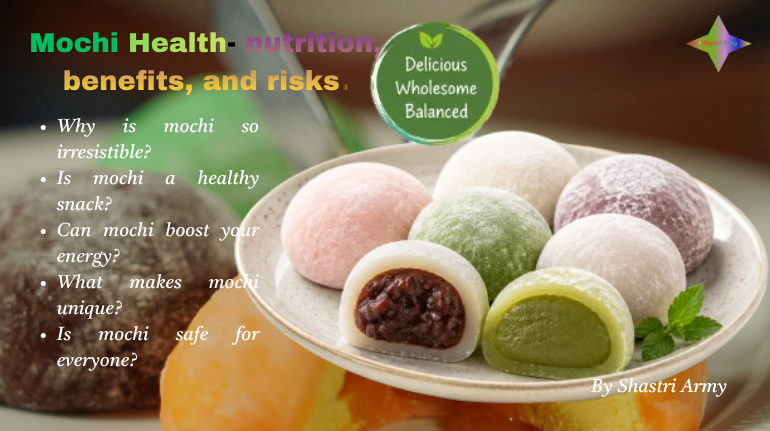
Why Mochi is Trending Globally
So why is everyone suddenly talking about mochi health? The answer lies in the growing demand for gluten-free, plant-based, and minimally processed foods. Mochi fits perfectly into this trend. It’s naturally gluten-free, often vegan, and relatively simple in ingredients. Social media has also played a massive role—those colorful mochi balls filled with creamy ice cream are visually irresistible.
More and more individuals are paying closer attention to their dietary choices and overall eating habits. Instead of heavily processed desserts, many are switching to alternatives like mochi, which feels more “authentic” and less artificial. This shift has made mochi not just a dessert, but a lifestyle choice for those seeking balance between indulgence and health.
Nutritional Value of Mochi
Calories and Macro nutrients
Understanding mochi health starts with knowing what’s inside it. A standard piece of mochi (around 44 grams) contains approximately 90–100 calories. Most of these calories come from carbohydrates, as mochi is primarily made from rice. It typically contains:
- Carbohydrates: 20–25g
- Protein: 1–2g
- Fat: Less than 1g
This makes mochi a quick energy source, especially useful for people who need a rapid boost, like athletes or individuals with active lifestyles. However, because it is carbs-heavy and low in protein and fat, it may not keep you full for long.
Vitamins and Minerals in Mochi
Mochi is not exactly a “superfood,” but it does contain small amounts of essential nutrients. These include iron, calcium, and potassium, depending on the ingredients used. Some modern mochi varieties are enriched with fillings like red bean paste, matcha, or fruits, which can slightly increase their nutritional value.
However, compared to whole grains, mochi lacks fiber because the rice is processed. That means it’s not the best option if you’re looking for a high-fiber snack. Still, in moderation, it can be part of a balanced diet.
Health Benefits of Mochi
Energy Boosting Properties
One of the biggest advantages of mochi health is its ability to provide instant energy. Because it’s rich in carbohydrates, mochi acts like fuel for your body Fitness. Think of it as a quick charger for your energy levels—perfect before a workout or during a busy day when you need a boost.
Athletes in Japan have traditionally consumed mochi for endurance, and even today, it’s used as a quick snack to maintain stamina. If you often feel low on energy, a small portion of mochi might help you stay active.
Gluten-Free Advantage
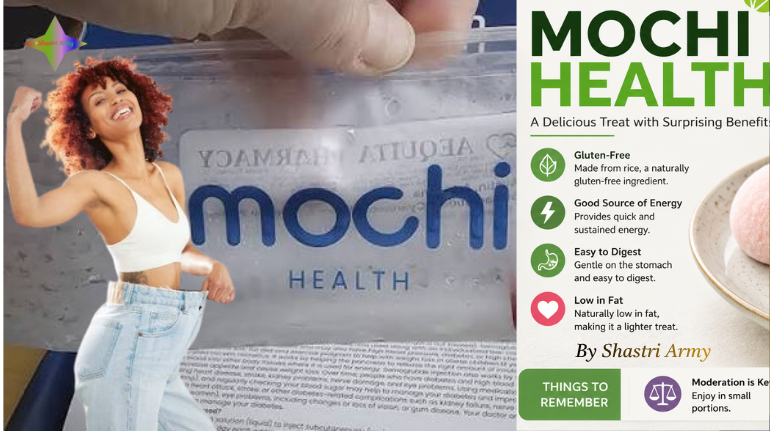
For people with gluten intolerance or celiac disease, mochi is a great alternative to wheat-based desserts. Since it’s made from rice, it naturally contains no gluten, making it safe for those who need to avoid gluten in their diet.
This has made mochi increasingly popular in Western countries, where gluten-free diets are on the rise. It allows people to enjoy a dessert without worrying about digestive discomfort.
Supports Digestive Health
While mochi itself isn’t high in fiber, it is relatively easy to digest compared to heavy desserts. Its simple ingredients make it less likely to cause digestive issues when eaten in moderation. Certain types are filled with ingredients such as red bean paste, which provide fiber and may help promote a healthy digestive system.
Potential Risks of Mochi Health
Choking Hazard Awareness
One major concern associated with mochi health is its sticky and chewy texture, which can pose a choking risk. This concern is particularly significant for young children and older adults. In Japan, there are reports every year of choking incidents related to mochi consumption.
To stay safe, it’s essential to eat mochi slowly, take small bites, and chew thoroughly. Following this simple habit can significantly minimize potential risks.
High Sugar Content Concerns
While plain mochi is relatively low in sugar, many modern versions—especially ice cream mochi—contain added sugars. These can increase calorie intake and contribute to health issues like weight gain or blood sugar spikes.
If you’re watching your sugar intake, it’s better to choose traditional mochi or versions with natural fillings like fruit or red beans.
Overconsumption Issues
Just like with any food, consuming it in excess can have negative effects. Eating large amounts of mochi can lead to excess calorie intake, especially since it’s easy to overeat due to its small size and delicious taste.
Mochi Health and Weight Management
Is Mochi Good for Weight Loss?
The relationship between mochi health and weight loss is a bit complicated. On one hand, mochi is low in fat, which can be beneficial. On the other hand, it’s high in carbohydrates and relatively low in fiber, which means it may not keep you full for long.
If you’re trying to lose weight, mochi can still be included in your diet—but only in controlled portions. Think of it as an occasional treat rather than a daily snack.
Portion Control Tips
Managing your portion size is key. Here are a few simple tips:
- Stick to 1–2 pieces per serving
- Pair with protein-rich foods like nuts or yogurt
- Avoid eating late at night
These small adjustments can make a big difference in maintaining a healthy balance.
Types of Mochi You Should Know
Traditional Mochi
This is the original version made from pounded rice. It’s often plain or filled with sweet red bean paste.
Ice Cream Mochi
A modern twist, ice cream mochi combines chewy rice dough with creamy ice cream inside. It’s delicious but higher in sugar and calories.
Healthy Mochi Variants
Health-conscious versions include low-sugar mochi, fruit-filled mochi, and even protein-enriched varieties.
How to Include Mochi in Your Diet
Best Time to Eat Mochi
Mochi is best consumed as a midday snack or pre-workout energy booster. Eating it earlier in the day allows your body to use the carbohydrates efficiently.
Creative Healthy Recipes
You can make mochi healthier by pairing it with:
- Fresh fruits
- Green tea
- Yogurt
This adds nutrients and balances the overall meal.
Mochi Health vs Other Desserts
| Feature | Mochi | Cake | Ice Cream |
|---|---|---|---|
| Calories | Moderate | High | High |
| Fat | Low | High | Medium |
| Gluten-Free | Yes | No | Sometimes |
| Sugar | Medium | High | High |
| Texture | Chewy | Soft | Creamy |
Mochi stands out as a lighter alternative compared to traditional desserts, especially when consumed in its simplest form.
Expert Opinions on Mochi Health
Nutrition experts often emphasize moderation when it comes to mochi health. Dietitians suggest that while mochi can be part of a healthy diet, it should not replace nutrient-dense foods like fruits, vegetables, and whole grains.
Some experts highlight that mochi is a good example of how traditional foods can fit into modern diets when consumed mindfully. The key is balance—enjoy the taste without overindulging.
Conclusion
Mochi health is all about balance. It’s a delicious, culturally rich food that offers certain benefits like being gluten-free and providing quick energy. At the same time, it comes with risks such as high sugar content and choking hazards if not eaten carefully.
If you enjoy mochi, there’s no reason to give it up. Just be mindful of how much and how often you eat it. Think of it as a treat that brings both flavor and tradition to your plate.
FAQs
1. Is mochi healthier than cake?
Yes, mochi is generally lower in fat and calories compared to cake, making it a slightly healthier option.
2. Can diabetics eat mochi?
Mochi is high in carbohydrates, so diabetics should consume it in moderation and consult a doctor.
3. Is mochi good for kids?
Yes, but it should be eaten under supervision due to the choking risk.
4. How often can I eat mochi?
1–2 times a week in small portions is considered safe for most people.
5. Does mochi help in weight loss?
Mochi health: Not directly, but it can be included in a balanced diet if consumed in controlled amounts.