



















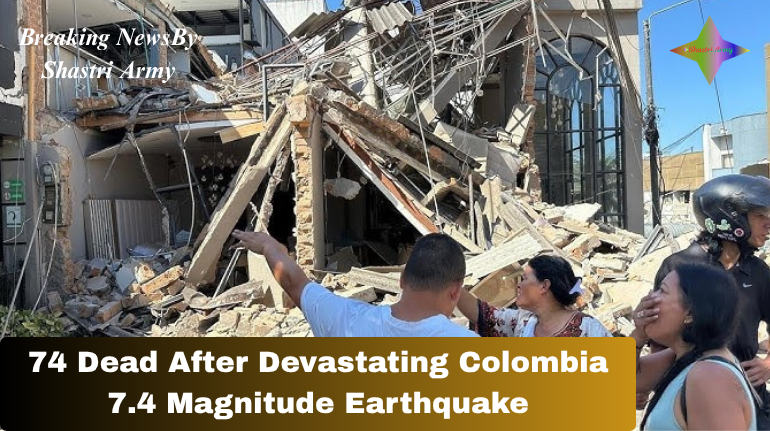
Introduction to the Colombia Earthquake
The massive earthquake in Colombia didn’t just shake the ground—it shook the entire world’s attention. Within minutes, videos flooded social media, showing buildings swaying like trees in a storm, people running in panic, and entire streets cracking open. If you’ve ever wondered how quickly life can change, this disaster is a chilling reminder. Natural disasters remind us that even modern technology and advanced infrastructure cannot completely protect communities from nature’s unpredictable power.
What made this event particularly shocking wasn’t just its magnitude, but the scale of destruction and the speed at which it unfolded. One moment, people were going about their daily routines, and the next, chaos erupted. It’s almost like flipping a switch—from normal life to survival mode in seconds. This earthquake became one of the most talked-about global events, not just because of the damage, but because of the raw, unfiltered footage that showed the reality on the ground.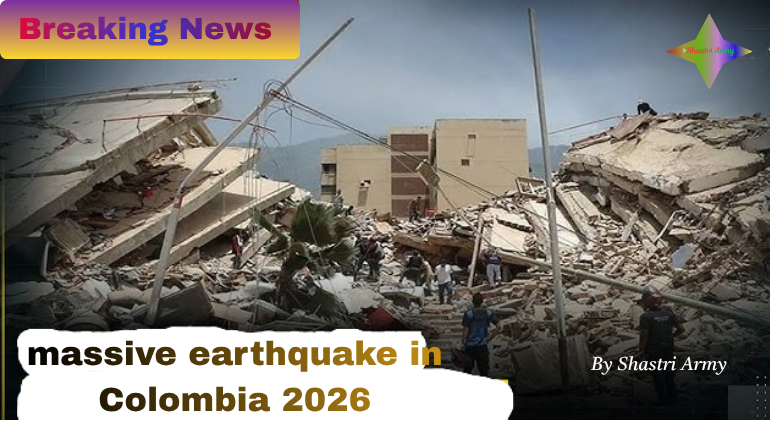
Why This Earthquake Shocked the World
There have been Earthquake in Colombia before—many of them devastating—but this one hit differently. The widespread availability of smartphones meant that real-time visuals captured the fear, confusion, and destruction in a way that traditional media never could. It wasn’t just news it felt personal. People watching from across the globe could almost feel the tremors through their screens.
Another reason this earthquake attracted so much attention was its unexpected strength. While Colombia is no stranger to seismic activity, the scale of this particular quake caught even experts off guard. The combination of densely populated areas, fragile infrastructure, and unfortunate timing intensified the earthquake’s impact.
Timeline of the Earthquake Event
When and Where It Happened
The earthquake struck suddenly, with its epicenter located in a seismically active region of Colombia. Early reports suggested that it hit during a busy part of the day, which unfortunately increased the number of people exposed to danger. Imagine being in a crowded market or office building when the ground beneath you starts to ripple—that’s exactly what many experienced.
Within seconds, the tremors spread across multiple regions, affecting both urban centers and rural areas. The widespread reach made it difficult for emergency responders to assess the situation quickly, adding to the chaos.
Initial Seismic Activity Details :The quake registered a high magnitude, indicating a powerful release of energy beneath the Earth’s surface. Experts later said that the earthquake’s depth and location played a major role in the extent of the damage. Shallow Earthquake in Colombia, like this one, tend to cause more surface damage, which explains the extensive destruction witnessed.
Aftershocks followed shortly after the main event, further complicating rescue efforts and increasing fear among survivors. These aftershocks can feel like cruel reminders, shaking already damaged structures and testing the resilience of both buildings and people.
Magnitude and Geological Causes
Understanding the Earth’s Tectonic Plates
To understand why this earthquake happened, you need to look beneath the surface—literally. The Earth’s crust is divided into massive plates that constantly move, albeit slowly. Colombia sits in a region where several tectonic plates interact, making it a hotspot for seismic activity.
When these plates grind against each other, stress builds up over time. Eventually, the built-up pressure is released through an Earthquake in Colombia. Think of it like bending a stick—it resists for a while, but once it snaps, the energy release is sudden and powerful.
Why Colombia Is Prone to Earthquakes: Colombia’s geographical location makes it particularly vulnerable. It lies along the boundary of major tectonic plates, including the Nazca Plate and the South American Plate. This constant interaction creates a ticking time bomb of geological tension.
Add to that the country’s varied terrain, including mountains and valleys, and you get conditions that can amplify seismic waves. That’s why even moderate earthquakes can sometimes cause significant damage in certain regions.
Shocking Footage Goes Viral
Social Media Explosion
One of the most defining aspects of this disaster was the shocking footage that spread across platforms like wildfire. Within minutes, clips showing collapsing buildings, swaying skyscrapers, and terrified crowds began trending globally. It wasn’t just news anymore—it was a shared global experience.
Most Disturbing Moments Captured: Some of the footage was truly haunting. Cameras captured entire structures crumbling into dust, people trapped under debris calling for help, and streets splitting apart. These weren’t dramatized scenes from a movie—they were real, raw, and happening in real time.
The shocking scenes left a lasting impact on viewers around the world. They served as a stark reminder of the unpredictability of nature and the vulnerability of human life.
Immediate Impact on Cities and Villages
Damage to Infrastructure
He earthquake in Colombia caused widespread damage across the affected areas. Buildings that once stood tall were reduced to rubble in seconds. Roads cracked, bridges weakened, and public transportation systems came to a halt. In urban areas, the destruction was particularly severe due to the density of structures.
Hospitals, schools, and residential complexes were among the hardest hit. This made the crisis even worse, as the institutions responsible for providing safety and support were also severely affected.
Power, Water, and Communication Breakdown: In the aftermath, essential services were disrupted. Electricity outages plunged entire regions into darkness, while water supply systems were damaged, leaving many without access to clean drinking water. Communication networks also suffered, making it difficult for people to contact loved ones or call for help.
The disruption of essential services worsened the crisis, leaving affected communities in urgent need of assistance.
Casualties and Human Impact
Rescue Operations Begin
As soon as the tremors subsided, rescue teams sprang into action. Emergency teams, volunteers, and local residents worked tirelessly to find and rescue survivors trapped beneath the rubble. Every second mattered, and the race against time was intense.
Heavy machinery was brought into clear rubble,while medical teams set up temporary treatment centers. Despite the challenges, countless lives were saved thanks to these efforts.
Stories of Survival and Loss: Behind every statistic is a human story. Some people were pulled from the rubble after hours, even days, showcasing incredible resilience. Others weren’t as fortunate, leaving families devastated and communities grieving.
These stories highlight both the fragility and strength of human life. In moments of crisis, people often come together in ways that are both inspiring and heartbreaking.
Government and Emergency Response
National Disaster Response Efforts
Government and Emergency Response
National Disaster Response Efforts
The government quickly declared a state of emergency, mobilizing resources and coordinating rescue efforts. Military personnel were deployed to assist in relief operations, while emergency funds were allocated to support affected areas.
Efforts were also made to restore basic services and provide temporary shelter to those who lost their homes.
International Aid and Support: The global community responded swiftly, offering aid and support. Countries sent rescue teams, medical supplies, and financial assistance. This international solidarity played a crucial role in managing the crisis and speeding up recovery efforts.
Economic Impact of the Earthquake
Damage to Businesses and Industries
Economic Impact of the Earthquake
Damage to Businesses and Industries
The Earthquake in Colombia didn’t just affect lives—it also dealt a significant blow to the economy. Businesses were destroyed, supply chains disrupted, and industries brought to a standstill. Small businesses, in particular, faced devastating losses.
Tourism, a key sector for Earthquake in Colombia, also suffered as travelers canceled plans due to safety concerns.
Long-Term Economic Consequences: Rebuilding takes time and money. The cost of reconstruction, combined with lost productivity, can have long-lasting effects on the economy. Governments often need to divert funds from other sectors, impacting overall development.
Lessons Learned and Preparedness
Importance of Disaster Planning
If there’s one takeaway from this disaster, it’s the importance of being prepared. Early warning systems, strong infrastructure, and public awareness can make a significant difference in reducing the impact of such events.
Countries around the world are now looking at this earthquake as a case study to improve their own disaster preparedness strategies.
How Citizens Can Stay Safe: Preparedness isn’t just the responsibility of governments—it’s something individuals must also take seriously. Simple steps like knowing evacuation routes, having emergency kits, and staying informed can save lives.
Conclusion and Future Outlook
The massive earthquake in Colombia serves as a powerful reminder of nature’s unpredictability. While the destruction was immense, the resilience shown by people and communities offers hope. Recovery will take time, but lessons learned from this disaster can help build a safer future.
Will Colombia Be Ready Next Time?
That’s the big question. With improved planning, stronger infrastructure, and greater awareness, the impact of future Earthquake in Colombia can be minimized. The goal isn’t to eliminate risk—it’s to be ready when it strikes.
FAQs
1. What took place in Colombia on August 10, 2026?
A powerful 7.4-magnitude earthquake struck western Colombia on August 10, 2026, causing extensive destruction, collapsing buildings, and leaving numerous people dead and injured. Rescue teams were swiftly sent to the hardest-hit areas to assist victims, clear the rubble, and search for people who may still be trapped.
2. How many people were killed in the Colombia earthquake?
According to the information provided, at least 111 people were killed in the earthquake.
3. How many people were injured?
At least 87 people were reported injured, with emergency teams continuing rescue and relief operations.
4. Where was the Colombia earthquake centered?
The earthquake’s epicenter was reported near San José Del Palmar in the Chocó region of western Colombia.
5. Did the earthquake affect Bogotá?
Yes. The earthquake was strongly felt in Bogotá, where residents evacuated buildings and gathered in the streets as a precaution.
6. Which regions of Colombia reported the highest number of casualties?
The reported casualties included deaths in Risaralda and Valle Del Caucus, while serious damage was also reported in Chocó, Cali and Manizales.
7. Did the earthquake cause building collapses?
Yes. Dozens of buildings were reported damaged or collapsed. In Cali, 20 buildings reportedly collapsed, leaving people trapped beneath the rubble as emergency teams rushed to the scene to search for survivors.
8. Did Colombia declare an emergency?
Yes. President Abelardo de la Espriella declared a state of emergency and called an emergency meeting to coordinate the national response.
9. Were airports affected by the earthquake?
Yes. Six small airports in western Colombia suspended operations following the earthquake, according to the information provided.
10. Which other countries felt the earthquake?
The powerful tremor was also felt in Ecuador, Panama and Venezuela, while evacuations were reported in Bogotá.
11. Are rescue teams searching for survivors?
Yes. Emergency teams were deployed to affected areas to assist victims and search for people who may be trapped under collapsed structures.
12. Could there be aftershocks?
After a major earthquake, aftershocks are possible. People in affected areas should follow instructions from Colombian emergency authorities and avoid damaged buildings until they are declared safe.
13. What caused the massive earthquake in Colombia?
The earthquake was caused by tectonic plate movements beneath the Earth’s surface, particularly involving the Nazca and South American plates.
14. How strong was the earthquake?
It registered a high magnitude, making it one of the most powerful earthquakes in the region in recent times.
15. Why did the footage go viral so quickly?
Social media allowed real-time sharing of videos, making the disaster instantly visible worldwide.
16. What were the main impacts of the earthquake?
Major impacts included infrastructure damage, casualties, service disruptions, and economic losses.
17. How can people prepare for earthquakes?
By creating emergency plans, securing heavy objects, and staying informed about safety protocols.